Why Adopting a Pet is Better Than Shopping for One
 william
Why Adopting a Pet is Better Than Shopping for One
In a world where compassion and ethical choices are becoming increasingly important, the decision to adopt a pet rather than buy one stands as a powerful example of how small personal decisions can make a big difference. While both adoption and purchasing can provide a home for a pet, the implications of each choice are dramatically different. Adopting a pet not only saves lives, but also combats unethical breeding practices, reduces pet overpopulation, and offers a more emotionally fulfilling experience for the pet owner. In contrast, shopping for a pet often supports commercial breeding mills and contributes to the growing number of homeless animals. Read more on the many reasons why adopting a pet is far superior to buying one.
Saving Lives: The Most Powerful Reason
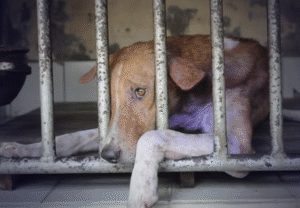
Animal shelters across the globe are filled with pets waiting for a second chance. According to the ASPCA, approximately 6.3 million companion animals enter U.S. shelters every year. Of these, around 920,000 are euthanized due to overcrowding, lack of resources, or health issues. When you adopt a pet, you’re directly saving a life—and not just the life of the animal you bring home, but potentially the life of another pet who now has space in the shelter.
Moreover, animals in shelters are often victims of unfortunate circumstances. They may have been abandoned due to economic hardship, family changes, or natural disasters. Many of these animals are loving, well-behaved, and eager to become part of a new family. Adopting gives them a chance to experience love and safety again.
Combating Puppy Mills and Unethical Breeding
When someone purchases a pet from a pet store or online, they often unknowingly support puppy mills or backyard breeders. These operations prioritize profit over animal welfare, frequently housing animals in overcrowded, unsanitary, and inhumane conditions. Breeding animals in such mills are treated as commodities, often denied proper veterinary care, exercise, or socialization.
Puppies and kittens from mills are frequently taken from their mothers too early, leading to behavioral issues, poor socialization, and health problems down the line. By choosing adoption, you’re actively fighting against this cruel industry. Shelters and rescues typically ensure animals are spayed or neutered, vaccinated, and properly cared for before adoption. This level of oversight and compassion is rarely present in commercial breeding environments.
Reducing Pet Overpopulation
Pet overpopulation is a serious issue. With millions of animals entering shelters each year, the demand for homes far exceeds the supply. When people continue to purchase pets from breeders, they are adding to a cycle that disregards the animals already in need. Every pet purchased from a breeder is one less home available for a shelter animal.
Adoption directly addresses this problem. Many shelters have strict spay/neuter policies to prevent further unplanned litters, and adopted pets are often already fixed. This helps break the cycle of overbreeding and gives the current population of homeless pets a better chance at finding forever homes.
The Cost Factor: Adoption is Often More Affordable
Adopting a pet is typically much more affordable than purchasing one from a breeder or pet store. Adoption fees usually range from $50 to $300, depending on the organization, and often include vaccinations, microchipping, spaying or neutering, and sometimes even a starter kit with food or supplies. In contrast, buying a pet—especially a purebred—can cost hundreds or even thousands of dollars, with no guarantee of health or temperament.
Furthermore, adopted pets are often already house-trained or socialized, which can save new owners significant time and effort. Many shelters also offer post-adoption support, such as training resources or low-cost veterinary care, easing the transition and reducing potential future expenses.
Temperament and Health Benefits
One of the misconceptions about shelter pets is that they are “damaged” or have behavioral problems. In reality, most pets end up in shelters through no fault of their own. These animals are often loving, healthy, and well-behaved. Shelters and rescue groups typically assess each animal’s personality and health status, which allows adopters to choose a pet that suits their lifestyle and preferences.
In contrast, pets bought from breeders, especially those with little oversight, may come with hidden health issues due to inbreeding or poor breeding practices. While reputable breeders do exist, they are the exception rather than the rule—and still do not address the core issue of pet overpopulation.
A More Rewarding Experience
There is something uniquely special about adopting a pet. Many adopters report feeling a deep emotional connection with their rescue animals, knowing they provided a second chance at life. This bond often translates into a more fulfilling and meaningful relationship. Watching a once-timid dog learn to trust again, or a shelter cat finally stretch out in the sun without fear, brings a level of joy and satisfaction that’s hard to match.
Additionally, adoption encourages responsible pet ownership and fosters a sense of community. Adopters often become advocates for animal welfare, spreading awareness and encouraging others to adopt rather than shop. It becomes more than just adding a furry member to the family—it’s a decision that echoes through lives and communities.
Promoting Ethical and Compassionate Choices
In today’s socially conscious climate, people are more aware of how their personal choices affect the world around them. Whether it’s buying local produce, supporting fair trade products, or minimizing carbon footprints, ethical decisions matter. Adopting a pet is one of the simplest yet most impactful ethical choices someone can make. It aligns with a compassionate worldview and sends a message that profit should not come before the well-being of living creatures.
When someone adopts a pet, they support a system that prioritizes care, rehabilitation, and love over commerce. They stand against exploitation and choose empathy over aesthetics or status. It’s a choice that speaks volumes about a person’s values.
Addressing the Desire for Specific Breeds
Some people are drawn to specific breeds due to allergies, lifestyle compatibility, or personal preferences. It’s a common argument for shopping rather than adopting. However, this doesn’t have to be the case. Breed-specific rescues exist for nearly every kind of dog and cat. A quick online search can lead you to organizations that specialize in rehoming Golden Retrievers, Persian cats, Bulldogs, and even exotic animals.
Moreover, many shelters do receive purebred animals, and with a bit of patience and research, potential adopters can often find the breed they’re looking for. Adopting doesn’t mean compromising on preferences—it just means taking a more responsible and ethical route to find the right companion.
Conclusion
Choosing to adopt a pet is a decision that resonates far beyond the walls of your home. It’s an act of compassion that saves lives, disrupts unethical industries, and addresses systemic issues like overpopulation and neglect. While buying a pet may seem more convenient or tailored, it often comes at a significant moral and social cost. Adoption, on the other hand, is an opportunity to make a real difference—not just in your life, but in the life of an animal who deserves a second chance.
In the end, adopting a pet is more than just acquiring an animal—it’s about opening your heart, extending your family, and becoming part of a movement that values love, empathy, and responsibility. It’s about giving a voice to the voiceless and choosing kindness in a world that so desperately needs it.